Explore the reasons to choose cedar fencing

Excellent Reasons to Choose Cedar Fencing

Cedar fencing has long been a top choice for homeowners looking to improve their property’s security, privacy, and aesthetic appeal. Known for its beautiful natural appearance, durability, and versatility, cedar offers a wealth of benefits that make it an excellent material for fencing. This article explores why cedar fencing stands out among other materials and how it can add value and beauty to your property.

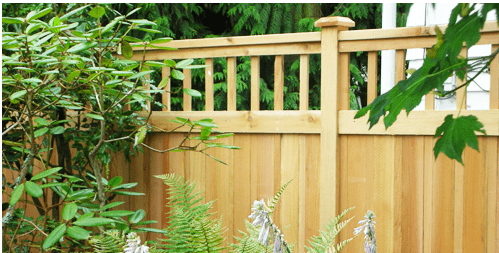
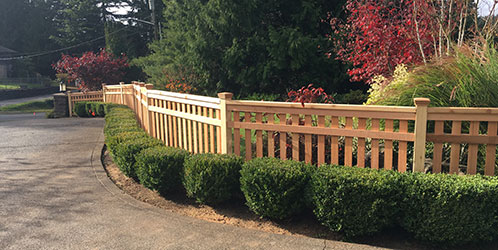
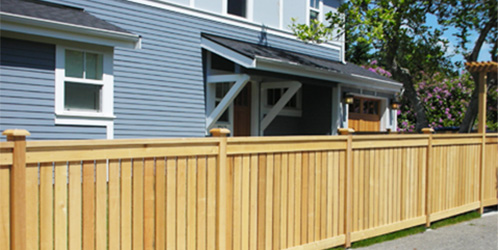
Modified Panel With Specialty Top by Alpine Fence Co. in Seattle, WA

Advantages of Cedar Fencing

Natural Elegance

Cedar wood fences boast a natural elegance that can significantly enhance the appeal of any property. The wood’s warm tones and unique grain patterns offer a rustic yet sophisticated look that complements a wide range of architectural styles. Whether left to age naturally to a silvery gray or stained to preserve its original color, a cedar fence adds a touch of natural beauty that is hard to replicate.

Design Variety

When it comes to cedar fence designs, the possibilities are nearly endless. Homeowners can choose from a variety of styles, including board-on-board, shadow box, picket, and horizontal slat designs. Each style offers unique benefits and can be tailored to meet specific privacy, security, and aesthetic requirements. Incorporating decorative elements, such as latticework or post caps, can further enhance the fence’s appearance, making it a true reflection of your personal style.

Increases the Property’s Overall Value

Investing in a cedar fence can also increase your property’s overall value. The aesthetic appeal and durability of cedar make it an attractive feature for potential buyers, should you decide to sell your home in the future. Additionally, the privacy and security offered by a well-constructed cedar fence can be a selling point, further boosting your property’s marketability and value.

Discover the Alpine Fence Co. difference – your go-to residential and commercial fence contractor serving the greater Seattle area, Eastside, and South Sound. With over 50 years of experience since 1970, our seasoned team is dedicated to delivering top-quality fencing solutions tailored to your specific needs. Whether you’re looking for materials or full installation, our 100% licensed, bonded, and insured experts ensure your satisfaction at every stage. Contact us today online or at 206-248-1310 for a complimentary estimate on your next fencing project and experience our unmatched craftsmanship and commitment to excellence firsthand.

Benefits & Care of Ornamental Iron Fencing

Benefits and Care of Ornamental Iron Fencing

Ornamental iron fencing is a popular choice among homeowners looking for a blend of aesthetic appeal, durability, and security. From the classic beauty of an ornamental iron fence to the modern variations designed for residential use, this type of fencing adds a touch of elegance and class to any property. In this article, we’ll explore the benefits of ornamental iron fencing, delve into its care and maintenance, and highlight why it continues to be a favored option for property owners.

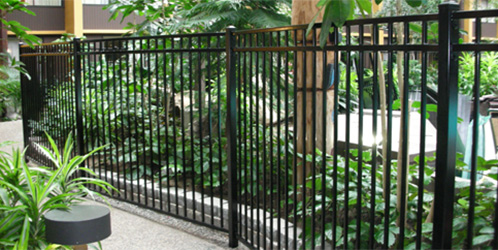
3-Rail Fence by Alpine Fence Co. in Seattle, WA

What is Ornamental Iron Fencing

Ornamental iron fencing is known for its strength, durability, and the beauty it brings to outdoor spaces. Traditionally crafted from iron, today’s ornamental fences are often made from mild steel, which offers similar visual appeal but with enhanced durability and less maintenance.

Benefits of Ornamental Iron Fencing

Symbol of Elegance and Class

An ornamental iron fence is more than just a boundary; it’s a statement piece that enhances the curb appeal of your home. Its timeless design and sophisticated appearance make it a symbol of elegance and class, setting your property apart from others.

Ensures Safety

Beyond its aesthetic appeal, an ornamental iron fence provides a robust barrier that enhances the safety and security of your home. Its sturdy construction makes it difficult for intruders to breach, and the option to add pointed finials or other deterrents can further discourage unauthorized entry. This makes ornamental iron fencing an ideal choice for homeowners who prioritize both beauty and security.

Ornamental Fences are Very Low-Maintenance

One of the advantages of ornamental iron fencing is its low maintenance requirements. Unlike wood, iron fences are not susceptible to rot or warping. Occasional cleaning with soapy water and inspection for rust are generally all that’s needed to keep your fence looking great for years to come. With the proper care, an ornamental iron fence can last several decades, making it a wise investment for any homeowner.

Unmatched Durability

Residential ornamental iron fences are built to last. This durability ensures that your investment not only enhances the beauty of your property but also stands the test of time. The cost of an ornamental iron fence might be slightly higher upfront compared to other materials, but its longevity and minimal maintenance requirements make it a cost-effective choice in the long run.

Care and Maintenance of Ornamental Iron Fencing

While ornamental iron fences require relatively low maintenance, there are still a few steps you can take to ensure their longevity:

Rust Prevention and Treatment: Inspect your fence periodically for signs of rust. If you find any, sand the affected area lightly and apply a rust-inhibiting primer followed by touch-up paint. This will help maintain the integrity and appearance of your fence.

Ornamental iron fencing offers homeowners a unique combination of beauty, durability, and security. As a symbol of elegance and class, it can enhance the curb appeal of any property. Its unmatched durability and low maintenance requirements make it a practical and long-lasting investment. With various styling and design options available, you can customize an ornamental iron fence to perfectly complement your home and landscape. By following simple care and maintenance practices, you can ensure that your ornamental iron fence remains a beautiful and secure boundary for many years to come.

Experience the difference with Alpine Fence Co., your trusted residential and commercial fencing expert serving the greater Seattle area since 1970. Contact us today online or at 206-248-1310 for a free estimate on your next project and let our licensed, bonded, and insured team elevate your property with top-quality materials and craftsmanship.

A Homeowner’s Guide to Wooden Fence Top Design Options

A Homeowner’s Guide to Wooden Fence Top Design Options

Wood fences are a timeless choice for homeowners looking to add privacy, security, and aesthetic appeal to their properties. With an array of wood fence designs available, from traditional to modern styles, the versatility of wood as a fencing material allows it to complement various home architectures and landscapes. This guide explores the top design options for wooden fences, providing insights into selecting the right style, material, and design elements to harmonize with your home and garden.

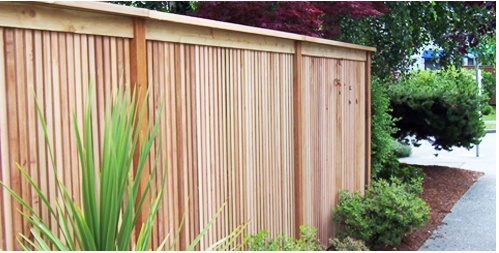
Modified Panel 3 Wood Fences in Seattle, WA

Design Considerations

When planning your wood fence, consider the following design elements:

Style and Aesthetics: There are many types of wood fence designs, and you’ll want to select a fence design that complements your home’s architectural style. Modern wood fence designs often feature horizontal planks for a contemporary look, while more traditional styles may include decorative elements like latticework.

Functionality: Decide on the primary function of your fence. Do you need it for privacy, security, or purely decorative purposes? This will influence the design and height of your fence.

Coordinating Your Wood Fencing Designs With Your Yard & Home

To ensure your wood fencing enhances the overall look of your property, it’s important to harmonize it with your home’s exterior and garden. For instance, rustic wooden fence design ideas might pair well with cottage-style homes and lush gardens, while sleek, modern wood fence designs may suit contemporary homes with minimalist landscaping. Incorporating elements from your home’s design into your fence, such as matching trim colors or architectural details, can create a cohesive aesthetic.

Design Criteria & Other Considerations

When creating your wood fence design plans, there are a few things to consider. The location of your fence can significantly impact its design. For front yard fences, consider lower heights and more decorative wood fence designs to add curb appeal without obstructing the view. For backyard fences, higher privacy fences may be preferable. Additionally, consider local zoning laws and homeowners’ association (HOA) regulations that may dictate fence height, style, and placement.

Experience the difference with Alpine Fence Co., your premier Residential and Commercial fence contractor in the greater Seattle area, Eastside, and South Sound. With over 50 years of building better fences since 1970, our seasoned team is committed to delivering top-quality fencing solutions tailored to your needs. Whether you seek materials or a full installation, our 100% licensed, bonded, and insured experts ensure your satisfaction every step of the way. As proud members of the American Fence Association and Master Builders Association, our reputation precedes us. Contact us today online or at 206-248-1310 for a complimentary estimate on your next fencing project, and let’s elevate your property with our unmatched craftsmanship and dedication to excellence.

How to Choose the Right Type of Fence for Your Home

Choose the Right Fencing for Your Home in Seattle, WA

Choosing a fence might seem like a simple home improvement task, but it involves much more than picking a material and drawing a line in the ground. The right fence enhances curb appeal, protects your privacy, and can even raise your property value. From choosing the material type and style of fence to understanding your community’s restrictions, Alpine Fence Co. wants to help simplify the process. Here’s how to make a well-informed choice to select the right fencing for your home in Seattle, WA.

A wooden fence with a sturdy post, emphasizing the right fencing choices for homes in Seattle, WA

Identify Your Primary Purpose

Start by defining why you need a fence. Do you want privacy for your backyard retreat? Security for children and pets? Visibility to showcase your landscaping? Each goal influences your fence selection. Privacy fences are typically solid panel styles, offering full visual obstruction. For security concerns rather than aesthetics, stronger materials such as ornamental steel or chain-link may be more practical. Decorative boundary markers enhance visual appeal without obstructing views. Understanding your main objective is the foundation upon which the rest of your planning will rest.

Consider Your Home’s Style & Neighborhood

Your residential fence should enhance your home’s architecture. A cottage-style home pairs naturally with wood pickets, contemporary or minimalist houses benefit from sleek horizontal fencing, and historic or upscale properties may be best suited with ornate wrought iron or steel fencing.

Also, observe what your neighbors have. It’s best to complement rather than replicate while staying in harmony with municipal or HOA aesthetic guidelines. Consistency in style and height across properties creates a cohesive streetscape and helps avoid disputes.

Evaluate Material Options

Next comes choosing a material suitable for your residential fence types and aesthetic vision. Some common types of fences for homes include:

  • Wood – Offers a warm, classic look. It’s customizable in height, style, and finish, but it requires annual maintenance to ward off rot, warping, and insect damage.
  • Chain Link – This material is cost-effective and durable, though lacking in aesthetics. You can add slats for more privacy.
  • Ornamental Iron – This is an ornate option that delivers strength and sophistication. Ornamental iron is heavier, more secure, and usually pricier.

Think About Climate & Environment

Your local weather and soil conditions should influence the residential fence types and material you choose. In damp or humid climates, wood fares poorly without protective finishing. In areas with strong winds or uneven terrain, sturdier materials and deeper posts help ensure long-term stability. Rough landscapes may even require walk-down or stepped fence styles to maintain aesthetic appeal. Choosing materials suited to your environment helps avoid premature deterioration and reduces repair costs over time.

Set a Realistic Budget

A smart budget considers both immediate and long-term expenses. Material costs vary widely, from low-cost chain link to premium wrought iron. But installation costs also factor in that heavier materials or custom designs typically require more labor, deeper footings, and specialized hardware. Don’t forget long-term costs, such as annual wood maintenance or occasional rust-prevention treatments for metal fences. Up-front savings can quickly disappear if upkeep becomes frequent or major repairs loom on the horizon.

Work With a Professional Installer

When it comes to residential fence installation, choosing the right partner makes all the difference, and Alpine Fence Co. is that trusted expert. We have been in the business of building better fences since 1970, serving both residential and commercial customers. 100% bonded and insured, we bring the knowledge, tools, and craftsmanship needed to handle everything from simple boundary fences to complex custom designs. Our team ensures your fence is installed straight, secure, and built to last. At Alpine Fence Co., we take pride in offering quality workmanship as well as clear communication, fair pricing, and dependable warranties. When you work with us, you’re not just getting a fence. You’re getting peace of mind, professional service, and a long-term investment in your property’s value and security.

Contact Us to Get Started on Your Fence Project

At Alpine Fence Co., we know that choosing a fence is more than picking materials—it’s about defining your outdoor space. Whether your goal is privacy, child safety, curb appeal, or pet containment, we’ll help you navigate your residential fencing options, from material choices to design possibilities, budgets, and codes. Contact us today to learn more about our residential fencing services and get an estimate for your project.

First-Time Fence Buyer? Here’s Everything You Need to Know

If you’re buying a fence for the first time, the process can feel overwhelming. At Alpine Fence Co. in Seattle, WA, we guide homeowners through every step of new fence installation, from design to final build. Whether you’re drawn to classic wood, durable chain link, or decorative metal, knowing what to expect will help you make confident decisions.

Residential Fencing in Seattle, WA

Why You Might Need a Fence

People install fences for a variety of reasons, and understanding your main goal will guide your choice of material and style. A fence isn’t just a barrier—it’s an investment in your property’s function and curb appeal. Being clear about your goals will help you decide how to choose the right fence for your needs. Common reasons for installing a fence include:

  • Enhancing privacy from neighbors or passersby
  • Securing pets or children within the yard
  • Adding property value or visual structure to your landscape
  • Blocking wind or noise from busy streets
  • Defining property boundaries

Types of Fences and Their Uses

One of the most important parts of a fence buying guide is understanding your options. Different types of fences serve different purposes, and each has its own strengths in terms of appearance, durability, and cost. Each material comes with unique installation and upkeep considerations, so weigh your priorities carefully, whether it’s privacy, curb appeal, ease of maintenance, or budget. Popular choices for new fence ideas include:

  • Wood – A classic choice that offers warmth and character. Wood fences are highly customizable in height, design, and finish, making them great for privacy and aesthetic appeal. However, they require regular upkeep to prevent weather damage.
  • Chain Link – Highly durable and budget-friendly. Chain link is a practical choice for security or pet containment, especially in backyards or commercial settings. It may lack visual appeal but can be enhanced with privacy slats or greenery.
  • Ornamental Iron – Strong and decorative, this fencing style adds elegance and security. It’s often used for front yards or around gardens and can be customized with finials. It resists impact well but may need occasional rust treatment in wet climates.

Setting a Realistic Budget

Like any home improvement project, installing a fence requires careful budgeting. Costs can vary based on the material you choose, the length and style of the fence, and how complex the installation is. Start by measuring the linear footage of your fence line, then research average prices for your selected material. Don’t forget to account for extras like gates, hardware, or decorative upgrades, and set aside a buffer for unexpected expenses such as ground leveling or removing an old fence. Having a clear budget in place will help you stay focused and make informed decisions when exploring new fence ideas and quotes.

Choosing the Right Fence Style for Your Property

Fences are functional, but they also play a key role in your home’s overall appearance. When choosing a fence, consider how the style complements your home’s architecture and surrounding landscape. Select materials that align with your exterior features, think about the level of privacy or visibility you prefer, and aim for a balance between aesthetics, function, and budget. It’s also helpful to ask your fence contractor for photos of similar projects to visualize how the design might look on your property. A well-designed fence feels like a natural extension of your home—not an afterthought.

New Fence Installation Options: DIY vs. Professional

Many homeowners think about installing their fence on their own to cut costs. For straightforward projects, a DIY installation might be a practical option. It can offer savings on labor and provide a sense of personal accomplishment. However, fencing projects often turn out to be more complex than expected. Challenges like uneven terrain, property line accuracy, post alignment, and working with heavy or rigid materials can quickly make the job more demanding than anticipated. While doing it yourself may reduce the initial price tag, it requires a fair amount of physical labor, specialized tools, and a good understanding of construction techniques. Mistakes during installation can lead to an unstable fence or even costly repairs later on.

In contrast, hiring a professional fencing contractor brings peace of mind. Though it comes with a higher upfront cost, you benefit from expert craftsmanship, efficiency, and knowledge. A reputable company like Alpine Fence Co. can complete the job quickly and correctly, often including a workmanship warranty that protects your investment. If you’re looking for lasting quality and a hassle-free experience, professional installation is often the smarter choice, especially for large properties or more complex fence designs.

Maintenance Expectations

Fence maintenance varies by material, and knowing this upfront can help you choose a fence that suits your lifestyle. Some materials need regular care, while others are virtually maintenance-free. Maintenance considerations include:

  • Wood – Requires sealing every few years to prevent rot.
  • Chain Link – Rust-resistant, though regular inspection is wise.
  • Ornamental Iron – May require touch-ups and rust control over time.

Get More Information About New Fence Installation

Buying a fence is a big decision, but with the right planning and information, it doesn’t have to be stressful. From selecting the right style and material to understanding local codes and planning your budget, this guide is designed to help you make the best choice for your home. Ready to explore your fence options or get a quote for professional installation? Contact Alpine Fence Co. in Seattle, WA, for expert advice, custom solutions, and quality craftsmanship.

How to Avoid Common Mistakes When Installing a Fence

Installing a fence is one of the most effective ways to enhance your home’s privacy, improve overall security, and clearly define your property lines. It can also contribute to the aesthetics of your landscape, create safe outdoor spaces for children and pets, and even reduce noise from nearby streets. But while the benefits of a well-installed fence are significant, the process requires careful planning and attention to detail to ensure long-term satisfaction.

At Alpine Fence Co. in Seattle, WA, we’ve helped countless homeowners navigate the fencing process, and we’ve seen how even minor missteps can lead to headaches, neighbor disputes, and expensive fixes down the line. The Pacific Northwest’s damp weather adds another layer of complexity, making proper installation techniques and materials selection especially important. Whether you’re considering a wood fence to complement your landscape or opting for durable chain link panels for added security, it’s essential to approach the project with a clear plan, quality materials, and expert guidance. By steering clear of common installation mistakes and working with experienced professionals, you’ll ensure your new fence is both functional and built to last.

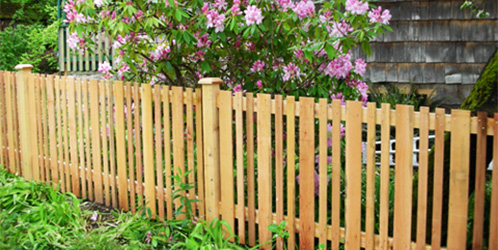
4ft. Paneled-in Fence with Spacing in Seattle, WA

Choose the Right Fence Type and Materials

Each type of fence offers specific benefits, so choosing the wrong one can lead to functionality or maintenance issues. For example, while chain fence installation may be ideal for pet containment and visibility, a wood fence offers greater privacy and a more traditional appearance. When choosing materials, consider:

  • Your primary goals (privacy, security, aesthetics, containment)
  • Climate conditions that may affect wood or metal durability
  • Maintenance requirements for different fence types
  • Budget, including upfront and long-term costs

Prepare the Site Properly

Before any digging begins, it’s crucial to clear and level the installation site. Failing to prep the area can result in uneven posts and an unstable fence. Start by removing grass, rocks, and any other obstacles along the fence line. Then, use a level to mark a consistent grade for your posts to ensure everything stays aligned. Don’t forget to call local utility services to have underground lines marked in advance. Taking these steps helps create a clean, level workspace and sets the stage for a smooth installation process.

Use Correct Tools and Techniques

Knowing how to install a fence involves more than just digging holes. Using the wrong tools or skipping key steps can affect the structural integrity of your fence. Important tools and techniques include:

  • Post hole diggers or augers for consistent depth
  • Gravel for drainage at the base of each post
  • Concrete to anchor fence posts securely
  • A level and string line to keep posts aligned and plumb

Avoid Poor Measurement and Layout

Fence installation requires careful attention to detail from start to finish. Inaccurate measurements can lead to misaligned panels, uneven spacing, or gaps that compromise your fence’s function and appearance. To ensure accuracy, measure and mark all post placements before digging, maintain equal spacing between posts for a consistent panel fit, and use layout stakes and string to guide alignment throughout the process. A precise layout is especially important for wood fence installation, where even small errors can be difficult to disguise.

Don’t Skip Quality Fasteners and Hardware

Even with solid construction, cheap or improper fasteners can lead to premature wear and tear. Using quality hardware helps ensure your fence remains secure and functional over time. Choose hinges and latches specifically designed for outdoor use. Quality materials not only extend the life of your fence but also make ongoing maintenance simpler.

Account for Maintenance and Accessibility

Some homeowners focus so much on the installation process that they forget to plan for ongoing care and accessibility. Whether it’s a gate that’s hard to open or overgrown plants damaging the fence, long-term usability matters. Planning ahead means placing gates in convenient, functional locations, allowing enough clearance for landscaping tasks or snow removal, and selecting finishes that make wood fence upkeep easier. Treat your fence as a long-term investment by building with future maintenance in mind.

Learn More About Installing a Fence in Seattle, WA

Knowing how to install a fence correctly from the start can save you significant time, money, and frustration in the long run. A properly planned and executed fence installation ensures not only a visually appealing result but also long-term durability and functionality. Choosing the right materials for your specific needs and climate, taking accurate measurements, and laying out your fence with careful attention to alignment and elevation are all critical steps that help prevent future issues like sagging, leaning, or premature wear. It’s also important to consider local codes, property lines, and utility locations before digging, all of which can impact both safety and compliance.

Avoiding common installation mistakes—such as setting posts at uneven depths, failing to treat or seal wood materials, or using incorrect hardware—can mean the difference between a fence that lasts for decades and one that needs repairs within a year. If you’re planning to install a fence but want to make sure every detail is handled with precision, Alpine Fence Co. in Seattle, WA, is here to help. Our experienced team offers expert guidance, high-quality craftsmanship, and personalized installation services tailored to your property and goals. Contact us today to schedule a consultation.

How to Maintain Your Fence

A well-maintained fence does more than just define the boundaries of your property. It plays a crucial role in the overall look, function, and value of your home. An attractive, sturdy fence can instantly boost curb appeal, offering a polished and welcoming first impression to visitors or potential buyers. It also provides much-needed privacy, creating a sense of seclusion and security for your outdoor spaces. Over time, a durable and well-cared-for fence becomes a valuable asset that can increase your property’s resale value and reduce the need for costly repairs or premature replacement.

At Alpine Fence Co. in Seattle, WA, we understand how vital regular maintenance is for fences, especially in the Pacific Northwest. The region’s frequent rain, damp conditions, and occasional high winds can accelerate wear and tear on wood fencing. Without proper upkeep, issues like warping, rot, mildew, or structural weakening can develop quickly. Whether you have a classic cedar fence or another type of wood, routine maintenance is essential to preserving both its strength and natural beauty. Our team is here to help you protect your investment and keep your fence looking and performing at its best for years to come.

Modified Panel With Specialty Top by Alpine Fence Co. in Seattle, WA

Inspect Your Fence Regularly

The first step in effective fence maintenance is routine inspection. Periodically walking along the fence line allows you to catch minor issues before they become bigger problems. During your inspection, look for loose or missing boards or fasteners, signs of rot or insect damage, rust on metal parts or hinges, leaning posts or sagging sections, and cracks or warping in the wood. Make it a habit to inspect your fence at least once per season and after major storms.

Repair Fence Damage Promptly

Small repairs made quickly can prevent the need for costly replacements. Addressing damaged boards, fasteners, or supports is a key part of learning how to maintain a fence. Common repairs include replacing cracked or rotted boards, reinforcing loose posts with additional concrete or brackets, and realigning sagging gates or fence panels. Prompt repairs are especially important for wood fence maintenance, as damaged wood can deteriorate quickly when exposed to moisture.

Protect Your Fence With Sealant

To protect your fence from moisture, UV rays, and insects, applying a weatherproof sealant is essential. This step is particularly important for cedar fence maintenance, as cedar is durable but still benefits from extra protection. Follow these guidelines when applying sealant:

  • Use a sealant specifically designed for wood fencing.
  • Apply with a brush, roller, or sprayer, depending on your fence type.
  • Reapply every 2–3 years or more often if your fence is heavily exposed.

Prevent Damage From Vegetation and Pests

Plants and pests can both pose a threat to your fence. Keeping the area around your fence clear not only improves appearance but also reduces long-term wear. To help prevent damage, trim bushes and tree branches away from the fence line, avoid letting vines grow directly on the fence, remove leaves and debris that collect around the base, and watch for signs of insect activity, such as holes or sawdust-like residue. Termites, carpenter ants, and other wood-boring pests are a particular concern in wood and cedar fence maintenance.

Seasonal Fence Maintenance Tips

Every season presents unique challenges for fence care, but a little attention throughout the year can go a long way toward keeping your fence in excellent condition. Seasonal maintenance doesn’t have to be time-consuming, but staying consistent can prevent small issues from turning into costly repairs. By staying proactive with your fence maintenance routine, you’ll not only protect your investment but also extend the life of your fence and maintain its appearance season after season. Try these seasonal fence maintenance tips:

  • Spring – After the harsh winter months, take time to inspect your fence for signs of damage, such as cracked boards, loose fasteners, rust spots, or leaning posts. Use a gentle pressure wash or a scrub brush with mild detergent to freshen up the surface.
  • Summer – With drier, warmer weather, summer is ideal for preventative maintenance like sealing. Reapplying a protective finish helps shield wood fences from sun damage, warping, and fading. For metal fences, water and soap can remove dust, pollen, and grime that accumulate during the dry season.
  • Fall – As the weather cools, remove fallen leaves, branches, and debris that can trap moisture and lead to rot or rust. It’s also a great time to trim back bushes, vines, or overhanging tree limbs that may lean on or scratch the fence during storms. Addressing these tasks before winter arrives can help minimize exposure to moisture and freezing temperatures.
  • Winter – Snow and ice can be particularly harsh on fences. Avoid piling snow against the base of the fence, especially wood or composite types, as trapped moisture can cause rot or swelling. Keep an eye out for ice buildup, which can weigh down fence components or create stress points. Gently remove snow as needed and make sure gates and latches remain functional in freezing conditions.

Schedule Fence Maintenance With Alpine Fence Co.

Is your fence showing signs of wear, or are you simply ready for an upgrade? Whether you need routine maintenance, expert repairs, or a full replacement, Alpine Fence Co. is here to help. Our team of skilled professionals specializes in cedar fencing and brings decades of experience to every project. We’ll assess your current fence, answer your questions, and help you explore the best options for your property. Located in Seattle, WA, we’re proud to offer dependable service tailored to the needs of local homeowners. Contact us today to schedule your consultation and get started on a fence that’s built to last.

How to Attach Wire Mesh to a Wood Fence in Seattle, WA

Senior Man Builds a Fence with Wire Mesh on A Sunny Day

How to Attach Wire Mesh to a Fence

Wire mesh can improve the structural stability, safety, and security of your fencing. You can find wire mesh that is pliable, sturdy, weather and wind-resistant, and secure. Attaching wire mesh to wood, metal, vinyl, or split-rail fencing will prevent people and animals from trespassing and will reduce your liability for accidents or injuries. At Alpine Fence Co., we offer fencing solutions for homes and businesses throughout Washington. We specialize in fencing installation, maintenance, and repairs. If you don’t know how to attach wire mesh to a wood fence in Seattle, WA, or the surrounding areas, keep reading or call our team of expert fencing contractors to request an estimate.

Tools Needed to Attach Wire Mesh to a Fence

Before you begin, you should read through this tutorial explaining how to attach wire mesh to a fence and make sure you fully understand each step. If you don’t have much experience in DIY projects or fencing installation, you may prefer to call our fencing contractors. We can quickly install wire mesh on wood, vinyl, metal, and split-rail fencing. Once you have read through the instructions, gather the tools you will need to attach wire mesh to a fence:

  • A roll of wire mesh fencing
  • A heavy-duty staple gun
  • Heavy-duty staples
  • A cordless drill with a set of drill bits
  • Wood screws
  • Safety glasses and ear protection
  • Heavy-duty work gloves
  • Heavy-duty cutting pliers
  • A hammer or mallet
  • Soil pegs
  • Tensioning wire
  • Zip ties
Woman's Hand Holds a Stable Fence with Wire Mesh

Tips for Choosing the Right Wire Mesh for Your Fence

Most home and business owners must choose between welded wire mesh and galvanized steel wire mesh. Welded wire mesh is sturdy and rigid and can withstand the elements. Stainless steel mesh is treated to be resistant to corrosion, rust, and scratches. It can be used for small gardens, yards, and more. Galvanized steel mesh is coated with a zinc alloy that improves its strength and durability and makes it resistant to corrosion, UV damage, and oxidation. It can be used for fencing for yards, farms, decks, commercial properties, and other areas. Galvanized steel is best for protecting your property from pests, animals, and wildlife.

Inspect Your Fence Before Beginning

Before you begin installing wire mesh on your fencing, inspect your metal or wood fence posts or rails for any signs of damage. If your posts have been in place for a long time, ensure they are firmly implanted in the ground before you begin. Any damage should be repaired before you begin installation, or you’ll face delays or structural instability.

Take Accurate Measurements of Your Fence

Next, take accurate measurements of your fencing. You will need to buy a large enough roll of wire mesh to cover your entire fence, leaving a few extra inches on each side. You should have some extra on hand to repair future damage. Most people need one roll of mesh fencing for every 80 feet of fence. Wood, steel, or vinyl posts should be installed every three feet. You will need one strut for each end post and two struts for each corner. You will need tension wire for the top, bottom, and one row per 20 inches. You will need to install one tensioner for each tension wire, and staples or zip ties to attach the tension wire to each starting, corner, and reinforcement post. Tensioning bars are needed to tension the fence without damaging it, and you’ll need one bar for each end post and two bars for each corner or reinforcement post.

Construction Worker Builds a Durable Fence with Wire Mesh

How to Attach Wire Mesh to Wood Fence

It’s important to know how to attach wire mesh to a split-rail fence or wood fence before you begin. To install wire mesh on a wood fence, you should stabilize the mesh loosely every six inches to ensure the mesh is secure. You want to make it lax enough that the mesh can adapt to temperature fluctuations and impact.

How to Attach Wire Mesh to Metal Fence

To install wire mesh on metal rods or posts, you should attach the mesh to the posts every six inches using zip ties or cable ties.

How to Attach Wire Mesh to Vinyl Fence

To attach wire mesh to a vinyl fence or concrete posts, you should use eye bolts and tensioning wire. Screw in eye bolts every six inches along the vinyl or concrete posts. Then use tensioning wire to attach the mesh to the concrete posts and use zip ties or cable ties to secure the mesh to the tensioning wire.

Importance of Bottom Edge Attachment for Wire Mesh

As you’re installing the wire mesh, you will have excess wire at the bottom of the fencing. You should use pliers to bend this wire mesh back underneath itself to create a more stable and durable bottom edge. You can then use your staple gun or zip ties to attach this edge in place every six inches.

Ensure Overlap for Stability

When attaching wire mesh to fencing, you should secure the mesh by wrapping it around each post back onto itself. This overlap ensures greater stability and reduces the risk of the mesh becoming damaged and disconnecting from the posts.

Our Weatherproofing Tips

You will need to weatherproof your wire mesh so that it will last longer. All exposed metal should be sealed and protected. When you’re done with installation, use an exterior-grade caulk or a silicone sealant to protect any exposed metal. Pay special attention to any edges that are stapled or areas where the mesh is attached to metal, wood, or vinyl fence posts. This protective coat will reduce the risk of corrosion, damage, and rust.

Why Aesthetics Matter

As you install the wire mesh, make sure it stands up straight against the posts. There should be a little sagging during installation, but maintaining tension will make sure there are no snags during installation. Taking the time to make sure the job is done correctly will extend the lifespan of your fencing and make it more stable and secure.

Secure Ends Firmly

When securing the mesh to wood, metal, or vinyl posts, use the most stable method possible. For wood, use wood screws. First, drill pilot holes and then attach screws every six to 12 inches. For metal or vinyl posts, you can use zip ties or wire or metal flashing.

Request an Estimate for Attaching Wire Mesh to Fencing

If you still aren’t sure how to attach wire mesh to a fence in Seattle, WA, or the surrounding areas, call us today or contact us online to request an estimate for the cost of wire mesh installation. At Alpine Fence Co., our fencing contractors have decades of experience and will arrive with the tools, materials, equipment, and expertise needed to do the job efficiently and correctly. Before we begin, we always offer a free, no-obligation estimate so you know what to expect. We specialize in residential and commercial fencing services, including fencing installation, repair, and maintenance in Seattle, West Seattle, Bellevue, Mercer Island, Kent, Auburn, Tukwila, Des Moines, Burien, SeaTac, Renton, and Federal Way, WA.