
Installing a fence is one of the most effective ways to enhance your home’s privacy, improve overall security, and clearly define your property lines. It can also contribute to the aesthetics of your landscape, create safe outdoor spaces for children and pets, and even reduce noise from nearby streets. But while the benefits of a well-installed fence are significant, the process requires careful planning and attention to detail to ensure long-term satisfaction.
At Alpine Fence Co. in Seattle, WA, we’ve helped countless homeowners navigate the fencing process, and we’ve seen how even minor missteps can lead to headaches, neighbor disputes, and expensive fixes down the line. The Pacific Northwest’s damp weather adds another layer of complexity, making proper installation techniques and materials selection especially important. Whether you’re considering a wood fence to complement your landscape or opting for durable chain link panels for added security, it’s essential to approach the project with a clear plan, quality materials, and expert guidance. By steering clear of common installation mistakes and working with experienced professionals, you’ll ensure your new fence is both functional and built to last.
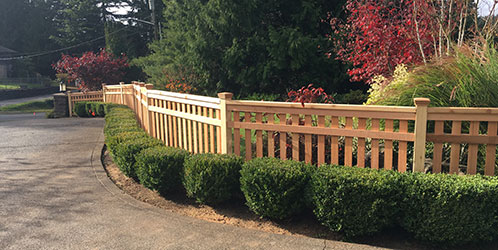
Choose the Right Fence Type and Materials
Each type of fence offers specific benefits, so choosing the wrong one can lead to functionality or maintenance issues. For example, while chain fence installation may be ideal for pet containment and visibility, a wood fence offers greater privacy and a more traditional appearance. When choosing materials, consider:
- Your primary goals (privacy, security, aesthetics, containment)
- Climate conditions that may affect wood or metal durability
- Maintenance requirements for different fence types
- Budget, including upfront and long-term costs
Prepare the Site Properly
Before any digging begins, it’s crucial to clear and level the installation site. Failing to prep the area can result in uneven posts and an unstable fence. Start by removing grass, rocks, and any other obstacles along the fence line. Then, use a level to mark a consistent grade for your posts to ensure everything stays aligned. Don’t forget to call local utility services to have underground lines marked in advance. Taking these steps helps create a clean, level workspace and sets the stage for a smooth installation process.
Use Correct Tools and Techniques
Knowing how to install a fence involves more than just digging holes. Using the wrong tools or skipping key steps can affect the structural integrity of your fence. Important tools and techniques include:
- Post hole diggers or augers for consistent depth
- Gravel for drainage at the base of each post
- Concrete to anchor fence posts securely
- A level and string line to keep posts aligned and plumb
Avoid Poor Measurement and Layout
Fence installation requires careful attention to detail from start to finish. Inaccurate measurements can lead to misaligned panels, uneven spacing, or gaps that compromise your fence’s function and appearance. To ensure accuracy, measure and mark all post placements before digging, maintain equal spacing between posts for a consistent panel fit, and use layout stakes and string to guide alignment throughout the process. A precise layout is especially important for wood fence installation, where even small errors can be difficult to disguise.
Don’t Skip Quality Fasteners and Hardware
Even with solid construction, cheap or improper fasteners can lead to premature wear and tear. Using quality hardware helps ensure your fence remains secure and functional over time. Choose hinges and latches specifically designed for outdoor use. Quality materials not only extend the life of your fence but also make ongoing maintenance simpler.
Account for Maintenance and Accessibility
Some homeowners focus so much on the installation process that they forget to plan for ongoing care and accessibility. Whether it’s a gate that’s hard to open or overgrown plants damaging the fence, long-term usability matters. Planning ahead means placing gates in convenient, functional locations, allowing enough clearance for landscaping tasks or snow removal, and selecting finishes that make wood fence upkeep easier. Treat your fence as a long-term investment by building with future maintenance in mind.
Learn More About Installing a Fence in Seattle, WA
Knowing how to install a fence correctly from the start can save you significant time, money, and frustration in the long run. A properly planned and executed fence installation ensures not only a visually appealing result but also long-term durability and functionality. Choosing the right materials for your specific needs and climate, taking accurate measurements, and laying out your fence with careful attention to alignment and elevation are all critical steps that help prevent future issues like sagging, leaning, or premature wear. It’s also important to consider local codes, property lines, and utility locations before digging, all of which can impact both safety and compliance.
Avoiding common installation mistakes—such as setting posts at uneven depths, failing to treat or seal wood materials, or using incorrect hardware—can mean the difference between a fence that lasts for decades and one that needs repairs within a year. If you’re planning to install a fence but want to make sure every detail is handled with precision, Alpine Fence Co. in Seattle, WA, is here to help. Our experienced team offers expert guidance, high-quality craftsmanship, and personalized installation services tailored to your property and goals. Contact us today to schedule a consultation.