Understanding Fence Lifespan by Different Materials

Adding a new fence to your property is a big decision. You want something that looks great, keeps your yard secure, and stands up to the unpredictable Pacific Northwest weather. But before you start digging post holes, you probably have one big question on your mind: how long does a fence last?

The answer depends heavily on the materials you choose, how well the fence is installed, and the amount of maintenance you put in over the years. Some materials naturally resist the wet Seattle climate better than others.
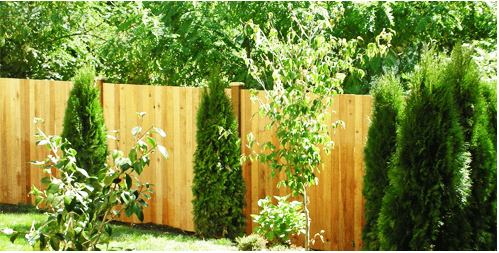
A Wooden fence enclosing a landscaped backyard with greenery by Alpine Fence Co. in Seattle, WA
Estate

Factors That Affect Fence Longevity

  • Material Quality: Not all wood or metal is created equal. A quality contractor that uses only the best materials will give you a fence that easily outlasts cheaper, builder-grade alternatives.
  • Installation Method: A fence is only as strong as its foundation. Posts set properly in high-quality concrete at the correct depth will resist shifting, leaning, and sinking.
  • Maintenance: Routine care goes a long way. Regularly cleaning, staining, or sealing your fence protects it from the elements and extends its life.
  • Local Climate: Heavy rain, strong winds, and fluctuating temperatures put constant stress on your fencing materials.
  • Pests and Insects: Termites and carpenter ants can quickly compromise wood fences if they are not treated or monitored properly.

Different Types of Fence Lifespan

Wood and Cedar Fences

Wood provides a classic, natural look that blends perfectly with Seattle neighborhoods. But how long does a wood fence last? Generally, a well-maintained wood fence can last anywhere from 15 to 20 years.

If you upgrade to cedar, you get natural oils that repel insects and resist rot. So, how long will a cedar fence last? A high-quality cedar fence can easily last 25 to 30 years with proper care. Keeping the bottom of the pickets away from direct soil contact helps maximize this timeline.

Chain Link Fences

Chain link is a highly durable and cost-effective option for securing your property. Thanks to galvanized steel framing and rust-resistant coatings, a standard chain link fence usually lasts 20 to 30 years.

Ornamental Iron and Steel Fences

Ornamental iron, steel, and aluminum are top contenders for the longest lasting fence material. These sturdy structures can easily last 50 years or more, sometimes lasting for generations.

How Climate and Weather Impact Fence Durability

Moisture is the biggest enemy of a long lasting fence. Constant rain can cause untreated wood to warp, swell, and eventually rot. Wood posts that sit in poorly drained soil will deteriorate at the base, causing the whole structure to lean. Metal fences also face challenges in wet climates, as exposed scratches can quickly turn into rust spots if left ignored.

Wind is another major factor. Strong winter windstorms can push against solid privacy fences like a sail. If the posts are not set deep enough, high winds can snap them or uproot the concrete base entirely.

Maintenance Tips to Extend Fence Lifespan

  • Keep it clean: Gently wash your fence once a year to remove dirt, mold, and mildew. A simple scrub brush and soapy water work wonders.
  • Trim vegetation: Keep bushes, vines, and tree branches away from your fence. Plants trap moisture against the materials and can cause structural damage as they grow.
  • Apply a protective finish: For wood fences, apply a high-quality stain or water-repellent sealant every two to three years. This locks out moisture and prevents UV damage from the sun.
  • Inspect the posts: Walk the fence line twice a year. Gently push on the posts to make sure they are sturdy. Catching a loose post early prevents a small fix from becoming a major structural issue.
  • Fix rust immediately: If you have a metal or chain link fence, brush off any small rust spots with a wire brush and apply a rust-inhibiting primer and paint.

Choosing the Right Fence Material for Long‑Term Value

Selecting the best fence comes down to balancing your aesthetic preferences, your maintenance bandwidth, and your budget.

If you want absolute maximum durability and minimal maintenance, metal fencing is generally what fence lasts the longest. If you prefer natural beauty and privacy, cedar is an outstanding choice that performs incredibly well in the Pacific Northwest climate. Chain link provides unbeatable security and longevity for those looking for a practical, budget-friendly boundary.

Contact Our Team Today

Understanding fence lifespan helps you make a confident decision for your home. Whether you choose the natural beauty of cedar, the practicality of chain link, or the unmatched strength of ornamental iron, professional installation is the key to longevity.

At Alpine Fence Co.we have been in the business of “Building Better Fences” since 1970. We are a quality contractor that uses only the best materials to ensure your fence stands the test of time. We are 100% bonded and insured, a proud member of the American Fence Association, a member of the Master Builders Association, and we proudly participate in the Better Business Bureau Reliability Program. Contact our team today.

FAQs

How Long Does a Fence Last?

On average, a residential fence lasts between 15 and 30 years. The exact timeline depends entirely on the materials used, the quality of the initial installation, and how well the fence is maintained against local weather conditions.

What Fence Lasts the Longest?

Metal fencing, such as ornamental steel or iron, is widely considered the longest lasting fence material. With proper rust-prevention maintenance, these fences can easily last 50 years or more.

How Long Will Cedar Fence Last?

A well-built cedar fence typically lasts between 25 and 30 years. Cedar contains natural oils that help it resist rot, decay, and insect damage, making it much more durable than standard pine or spruce.
Reasons Property Owners Choose Chain Link Over Iron for Commercial Sites

Securing a commercial property in Seattle involves making practical decisions about boundary lines and access control. Property managers often face a choice between classic iron fences and more versatile options. While iron offers a certain aesthetic, practical business owners frequently move in a different direction. A sturdy chain-link fence provides a balance of strength, cost-effectiveness, and reliability that heavy iron structures struggle to match.

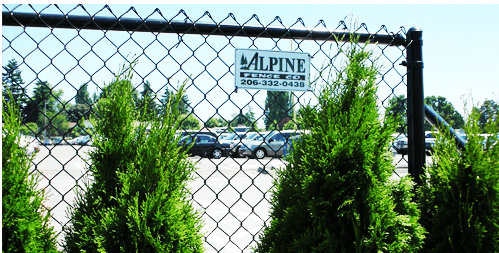
Black Chain Link in Seattle, WA

What is Chain-Link Fencing?

Chain-link fencing consists of galvanized steel wire woven into a distinct diamond pattern. Builders stretch this tough steel mesh across a framework of sturdy steel posts and rails. The resulting barrier is strong, flexible, and capable of withstanding heavy impact. Unlike rigid iron, which requires precise welding and heavy lifting, chain-link systems adapt easily to different commercial environments.

Commercial sites ranging from warehouses and construction zones to schools and sports complexes rely heavily on these structures. Property owners appreciate the simplicity of swapping out chain link fence panels if damage occurs, rather than replacing massive iron segments. You get a reliable perimeter that functions perfectly without drawing unnecessary attention to itself.

Faster Installation and Project Timelines

Time is money for any commercial enterprise. Lengthy construction projects disrupt daily operations, block delivery routes, and frustrate employees. Iron fences require meticulous planning, heavy machinery, and significant on-site welding. This slow process can drag out for weeks, leaving your property exposed during the transition. Installing chain link fence lines is a much faster and more streamlined process. Professional crews can secure a large perimeter in a fraction of the time it takes to build an iron barrier.

Durability and Performance in Commercial Settings

Seattle weather brings relentless rain, wind, and moisture throughout the year. Commercial fencing must withstand these damp conditions without compromising structural integrity. Heavy iron fencing looks strong, but it holds a major weakness against moisture. Once the paint chips or scratches, iron begins to rust rapidly, weakening the entire structure.

Galvanized chain-link materials resist corrosion and handle the wet Pacific Northwest climate beautifully. Manufacturers treat the steel wire and posts with a protective zinc coating that blocks moisture.

Lower Maintenance and Long-Term Upkeep

Commercial property owners rarely want to spend their maintenance budget on constant fence repairs. Iron fences demand significant ongoing attention. You have to scrape rust, apply heavy primers, and repaint the entire structure every few years to keep it looking decent and standing strong. These maintenance costs add up quickly over the lifespan of the barrier.

A commercial chain-link fence is virtually maintenance-free. The weather-resistant coatings prevent rust, meaning you never have to spend weekends painting or treating the metal. If a section does take severe damage from a fallen tree or a vehicle collision, repairs are straightforward and cost-effective.

Security with Visibility for Monitoring and Compliance

Security is the primary reason most businesses invest in commercial fencing. Iron fences certainly look imposing, but thick iron bars often create blind spots. Security guards and surveillance cameras need clear lines of sight to monitor the property effectively. Thick pickets and heavy stone pillars give trespassers places to hide before they breach the perimeter.

Chain link offers an unbeatable combination of high security and total visibility. Security personnel can see right through the diamond mesh to spot potential threats before they reach the property line. This open design works perfectly with modern security camera systems and motion detectors.

Flexibility, Scalability, and Customization Options

Commercial spaces evolve over time. You might need to expand your parking lot, build a new storage facility, or temporarily block off a construction zone. Iron fences are permanent, rigid, and incredibly difficult to move or modify once installed. Expanding an iron perimeter usually involves tearing down existing sections and starting over at great expense.

Reach Out to Our Team Today

When you need a perimeter you can trust, Alpine Fence Co. is ready to help. We have been in the business of “Building Better Fences” since 1970. As a quality contractor that uses only the best materials, we ensure your commercial property stays safe and secure. We are 100% bonded and insured, a proud member of the American Fence Association, and a member of the Master Builders Association. Alpine Fence Co. also proudly participates in the Better Business Bureau Reliability Program.

Reach out to our Seattle team today to schedule your free estimate and secure your commercial site with confidence.

FAQs

What Makes Chain-Link Fencing Good for Seattle Weather?

The galvanized steel and optional protective coatings block moisture and prevent rust. This makes the fencing highly resistant to the constant rain and damp conditions common in the Pacific Northwest.

Can I Add a Secure Gate to My Commercial Fence?

Yes, integrating a heavy-duty chain link fence gate is a standard part of commercial installations. We can install sliding gates, swing gates, and automated access systems to control vehicle and pedestrian traffic safely.

Is It Easy to Expand the Fence If My Business Grows?

Absolutely. One of the best features of this fencing style is its scalability. We can easily add new posts and stretch additional wire mesh to extend your perimeter without tearing down the existing structure.

Do I Have to Paint the Fence to Prevent Rust? No, you do not need to paint it. The materials come pre-treated with protective galvanization or color coatings that stop rust before it starts, keeping your maintenance costs incredibly low.