
Adding a new fence to your property is a big decision. You want something that looks great, keeps your yard secure, and stands up to the unpredictable Pacific Northwest weather. But before you start digging post holes, you probably have one big question on your mind: how long does a fence last?
The answer depends heavily on the materials you choose, how well the fence is installed, and the amount of maintenance you put in over the years. Some materials naturally resist the wet Seattle climate better than others.
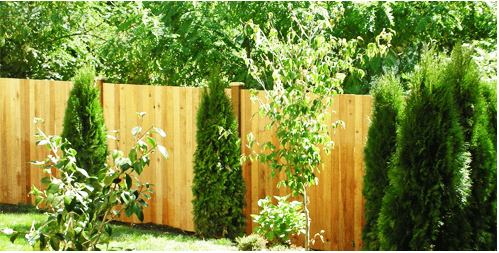
Factors That Affect Fence Longevity
- Material Quality: Not all wood or metal is created equal. A quality contractor that uses only the best materials will give you a fence that easily outlasts cheaper, builder-grade alternatives.
- Installation Method: A fence is only as strong as its foundation. Posts set properly in high-quality concrete at the correct depth will resist shifting, leaning, and sinking.
- Maintenance: Routine care goes a long way. Regularly cleaning, staining, or sealing your fence protects it from the elements and extends its life.
- Local Climate: Heavy rain, strong winds, and fluctuating temperatures put constant stress on your fencing materials.
- Pests and Insects: Termites and carpenter ants can quickly compromise wood fences if they are not treated or monitored properly.
Different Types of Fence Lifespan
Wood and Cedar Fences
Wood provides a classic, natural look that blends perfectly with Seattle neighborhoods. But how long does a wood fence last? Generally, a well-maintained wood fence can last anywhere from 15 to 20 years.
If you upgrade to cedar, you get natural oils that repel insects and resist rot. So, how long will a cedar fence last? A high-quality cedar fence can easily last 25 to 30 years with proper care. Keeping the bottom of the pickets away from direct soil contact helps maximize this timeline.
Chain Link Fences
Chain link is a highly durable and cost-effective option for securing your property. Thanks to galvanized steel framing and rust-resistant coatings, a standard chain link fence usually lasts 20 to 30 years.
Ornamental Iron and Steel Fences
Ornamental iron, steel, and aluminum are top contenders for the longest lasting fence material. These sturdy structures can easily last 50 years or more, sometimes lasting for generations.
How Climate and Weather Impact Fence Durability
Moisture is the biggest enemy of a long lasting fence. Constant rain can cause untreated wood to warp, swell, and eventually rot. Wood posts that sit in poorly drained soil will deteriorate at the base, causing the whole structure to lean. Metal fences also face challenges in wet climates, as exposed scratches can quickly turn into rust spots if left ignored.
Wind is another major factor. Strong winter windstorms can push against solid privacy fences like a sail. If the posts are not set deep enough, high winds can snap them or uproot the concrete base entirely.
Maintenance Tips to Extend Fence Lifespan
- Keep it clean: Gently wash your fence once a year to remove dirt, mold, and mildew. A simple scrub brush and soapy water work wonders.
- Trim vegetation: Keep bushes, vines, and tree branches away from your fence. Plants trap moisture against the materials and can cause structural damage as they grow.
- Apply a protective finish: For wood fences, apply a high-quality stain or water-repellent sealant every two to three years. This locks out moisture and prevents UV damage from the sun.
- Inspect the posts: Walk the fence line twice a year. Gently push on the posts to make sure they are sturdy. Catching a loose post early prevents a small fix from becoming a major structural issue.
- Fix rust immediately: If you have a metal or chain link fence, brush off any small rust spots with a wire brush and apply a rust-inhibiting primer and paint.
Choosing the Right Fence Material for Long‑Term Value
Selecting the best fence comes down to balancing your aesthetic preferences, your maintenance bandwidth, and your budget.
If you want absolute maximum durability and minimal maintenance, metal fencing is generally what fence lasts the longest. If you prefer natural beauty and privacy, cedar is an outstanding choice that performs incredibly well in the Pacific Northwest climate. Chain link provides unbeatable security and longevity for those looking for a practical, budget-friendly boundary.
Contact Our Team Today
Understanding fence lifespan helps you make a confident decision for your home. Whether you choose the natural beauty of cedar, the practicality of chain link, or the unmatched strength of ornamental iron, professional installation is the key to longevity.
At Alpine Fence Co.we have been in the business of “Building Better Fences” since 1970. We are a quality contractor that uses only the best materials to ensure your fence stands the test of time. We are 100% bonded and insured, a proud member of the American Fence Association, a member of the Master Builders Association, and we proudly participate in the Better Business Bureau Reliability Program. Contact our team today.
FAQs
How Long Does a Fence Last?
On average, a residential fence lasts between 15 and 30 years. The exact timeline depends entirely on the materials used, the quality of the initial installation, and how well the fence is maintained against local weather conditions.
What Fence Lasts the Longest?
Metal fencing, such as ornamental steel or iron, is widely considered the longest lasting fence material. With proper rust-prevention maintenance, these fences can easily last 50 years or more.
How Long Will Cedar Fence Last?
A well-built cedar fence typically lasts between 25 and 30 years. Cedar contains natural oils that help it resist rot, decay, and insect damage, making it much more durable than standard pine or spruce.