
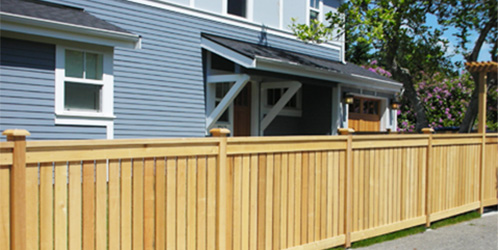
Your Guide to Paneled-In Style Wood Fences

Modified Panel 3 Wood Fences in Seattle, WA

Your Guide to Wood Paneled-In Fence Styles in Seattle, WA

Paneled-in fences have long been seen as a classic symbol of Americana and the comforts of domestic life. Installing a wood paneled-in fence around your home is a classic, decorative way to outline your property lines and enhance the privacy, safety, value, and beauty of your home. There are many different types and styles of paneled-in wooden fences. Here is your guide to the benefits of paneled-in style fencing and choosing the best wood paneled-in fence styles in Seattle, WA.

Why Get a Paneled-In Style Wood Fence?

Paneled-in fencing is one of the most aesthetically pleasing styles of home fencing. Wood paneled-in fences are traditional, classic, neat, and minimalistic. They complement any style of architecture and can be painted in any color imaginable. The biggest benefits of investing in a wooden paneled-in fence installation are:

  • Enhance the beauty and value of your home.
  • Increase your curb appeal.
  • Add privacy and security to your home.
  • Establish the property lines of your home.
  • Deter prowlers and burglars.
  • Maintain the safety of pets and children.
  • Keep wild animals and strays out of your yard.
  • Wood paneled-in fences are low-maintenance and easy to care for.
  • Enjoy a wide variety of fencing colors and decorative elements.

Wood Fences & Paneled-In Styles Offer a Classic Look

Wooden fences and paneled-in style fences offer a classic look for your home. They complement any home decor and architecture and have long been considered the perfect example of a classic American home. If you are installing a specialty fence for decorative purposes and to enhance the security and privacy of your home, a paneled-in fence is perfect. You won’t need to sacrifice beauty and aesthetics in order to achieve security and privacy.

Paneled-In Fences Are Stylish & Functional

Paneled-in fences are both stylish and functional. Unlike tall, imposing privacy or security fences, they look more welcoming and friendly. They allow you to prevent unauthorized access to your yard and home without detracting from its natural beauty. Paneled-in fences are a minimalistic way to mark the boundaries of your property without seeming imposing or unfriendly.

Wood Fences Use Robust Materials

Wood is a robust, durable, and low-maintenance fencing material. It can be painted to almost any color. It can be treated to protect it from water, mold, mildew, pests, and insects. Regular care and maintenance will extend the lifespan of your fencing and make it even stronger and more robust.

Paneled-In Fences Enhance the Beauty of Your Home

Paneled-in fencing can enhance the beauty and curb appeal of your home. If you want to improve the privacy of your home and prevent people and animals from entering your yard without permission, a paneled-in fence can serve that function while still looking beautiful and appealing. Paneled-in fences are classic, streamlined, and universally appealing. You can paint your fence any color you want and add decorative elements that further enhance your home’s architecture and aesthetics.

Wood Paneled-In Fences Are Easy to Install

When you hire a fencing contractor who specializes in installing wood fences and paneled-in style fences, the installation will be fast, easy, and stress-free. Your fencing contractor will handle permitting, planning, and construction. They will mark your property lines and ensure your fence installation is completed in compliance with local zoning, building, and homeowners association regulations.

Add Value to Your Home

Installing a high-quality wooden paneled-in fence can add value to your home. If you plan on selling your home in the next five years, you will attract more quality buyers by installing an attractive wood fence. A well-built wooden paneled-in fence increases the curb appeal of your home and offers a great return on your investment.

Exploring Different Styles of Paneled-In Wooden Fences

Before hiring a fencing contractor, you should explore different styles of wood paneled-in fences to determine which one is right for your home. The most common types of wooden paneled-in fences in Washington are:

  • Traditional Paneled-In Fencing – Traditional paneled-in fencing has clean lines, is simple and minimalistic, and can complement any style of architecture.
  • Dog-Ear Paneled-In Fencing—Dog-ear paneled-in fencing is more modern, with tapered panels. It is best for contemporary homes.
  • French Gothic Paneled-In Fencing – French Gothic paneled-in fencing is best for Victorian homes.
  • Square Paneled-In Fencing—Square paneled-in fencing uses square poles rather than flat panels. It can be installed at alternating heights.

Choose Your Paneled-In Fence Materials

While traditional paneled-in fences are made of wood, you can choose other paneled-in fencing materials. Wood is cost-effective, durable, low-maintenance, and attractive. Vinyl paneled-in fences are durable, attractive, and resistant to pests and moisture. However, they are available in a limited range of colors and are more expensive than wood. Metal paneled-in fences are attractive and durable but require treatment to prevent corrosion and rust. Composite wood paneled-in fences look like natural wood but are more durable and less susceptible to pests.

Schedule a Consultation With Alpine Fence Co.

If you’re interested in exploring your options for wood paneled-in fencing in Seattle, WA, contact us at Alpine Fence Co. We specialize in residential and commercial fence installation, including paneled-in fencing, estate fencing, and specialty and decorative fencing. Call us today or contact us online to schedule a consultation.

Cedar Wood Fence Add-Ons to Increase Protection & Durability

How to Keep Your Cedar Wood Fence in Seattle, WA, Looking New

Once you have invested time and money into installing a beautiful cedar wood fence in Seattle, WA, you will want to do everything you can to protect your investment. By scheduling regular care and maintenance, you can maintain the beauty, durability, and value of cedar or treated wood fences. Your cedar wood fencing materials are designed to withstand the elements and look amazing for years to come. You can ensure your fence remains sturdy and functional by following these cedar wood fence maintenance and care tips.

The Importance of Maintaining a Cedar Wood Fence

Cedar fencing is susceptible to water damage, pests, sun damage, and wear and tear. A well-maintained cedar fence can withstand the elements and add value, security, privacy, and beauty to your home. Regularly inspecting your fencing will allow you to see early warning signs of problems or damage so they can be repaired quickly. Resealing your fence can protect it from fading, weather damage, and wear and tear. You can also apply protective coatings that help your fencing repel moisture, mold, and pests. All of these methods of cedar wood fence maintenance will extend the lifespan of your fencing, ensure it stays sturdy and beautiful, and protect your investment for years to come.

Benefits of a Well-Maintained Fence

A well-maintained cedar fence can add to the curb appeal, value, and beauty of your home. Taking the time to maintain your cedar wood fence panels will offer you these benefits:

  • Extending the lifespan of your cedar fence.
  • Avoiding complaints from neighbors.
  • Preventing wear and tear and damage.
  • Reducing your risk of animal or pest damage.
  • Restoring weather damage.
  • Identifying areas that need repair, repainting, or resealing.
  • Maintaining the beauty and curb appeal of your home.
  • Protecting the security and privacy of your home.
  • Keeping animals, burglars, and prowlers out of your yard.
  • Keeping your yard secure for pets and children.
  • Maintaining compliance with your homeowner’s association regulations.

Regular Cleaning & Inspection of a Wood Fence

Inspecting your cedar wood fence regularly can help you catch early warning signs of problems before they get bigger and more expensive to repair. Cleaning your wood fence will reduce the risk of damage, staining, and loss of beauty or value of your fence. Here are our tips for inspecting and cleaning your cedar wood fencing:

  • Inspecting Your Cedar Fence for Damage and Wear – You should inspect your fencing every one or two months for signs of damage, wear and tear, or pest and animal issues. You should also inspect your fencing after heavy storms, high winds, snow, rain, or other issues that could affect its stability. Walk around your fence line and inspect each side of your fencing. Inspect hardware, posts, cedar wood fence panels, and all other cedar wood fence materials. Make sure everything is level, stable, and secure.
  • Cleaning Techniques for Cedar Wood Fencing – You should clean your cedar wood fencing before painting or sealing it. You should also clean it annually to maintain its beauty and value. You can remove dirt and debris with a brush and clean stains with warm water and bleach. For major stains and dirt, you can use a gentle pressure washer.

Reseal or Paint After Cleaning

After cleaning and repairing your cedar fencing, you can reseal or repaint areas that need it. Sealing cedar wood fencing can prevent pest damage, fading, mold and mildew growth, and water damage. Cedar wood fence paint allows you to paint your fence a color that complements your home or matches your aesthetic preferences.

Preventative Measures for Maintaining a Wood Fence

Cedar wood fence maintenance is a preventive measure. By being proactive about caring for your cedar fencing, you can reduce your risk of problems that would get bigger and more expensive over time. Inspecting your fence regularly will help you catch early warning signs of problems. Repairing problems early will prevent them from getting worse and will save you time and money. You can also prevent your fence from becoming an eyesore and ensure it remains strong and sturdy to maintain your home’s value, beauty, privacy, and security.

Repairs & Maintenance of a Wood Fence

Regular repairs and maintenance of your wood fence will protect your investment. Hiring an expert fencing contractor for cedar wood fence repairs will ensure the repairs are done safely and professionally. The most common signs you need fencing repairs are:

  • Leaning fencing
  • Loose fence posts
  • Missing fence panels or slats
  • Broken or damaged fence panels or slats
  • Major pest or animal damage
  • Missing hardware
  • Rotting fencing
  • Rusted hardware
  • Swollen or warped fencing
  • Splintered wood
  • Major mold or mildew issues

Schedule Cedar Wood Fence Repair or Maintenance

At Alpine Fence Co., we offer professional, high-quality cedar wood fence maintenance and repair in Seattle, WA, and the surrounding areas. Our fence repair services include replacing missing posts, plants, chains, hardware, and more. We work with cedar wood fences and specialty fencing and can inspect your fence to determine if you need fence repair or a new fence installation. Call us today or contact us online to schedule a fencing inspection.

Get Your Yard Ready for a Fence

How to Prepare Your Yard for Fence Installation

Hiring a fencing contractor to install a new fence for your yard is a great investment in the future safety and value of your property. Professionally installed fencing for yards can increase your security and privacy, establish property lines, deter prowlers and burglars, keep animals out of your yard, and keep pets and children in your yard. Once you have determined the perfect type of fence for your yard and hired an experienced fencing contractor, you will need to do a few things to prepare your yard for fence installation. Here is our guide to getting your yard ready for fence installation in Seattle, WA.

Property Lines Should Be Marked

Before installing a fence, you must confirm your property’s boundaries. Installing a fence that infringes on your neighbor’s property can cause conflict and even open you up to legal problems. You should begin by identifying your property line and marking it clearly with stakes or flags. You can look up your property address with your local assessor’s office, city or county planning agency, or zoning authority. Some fencing companies provide the service as part of their fence installation process.

Stake Out the Fence Line

Next, you should stake out your fence line. If your fence is going to be installed directly along your property lines, you may already have the area sufficiently marked. However, you may need to drive stakes into the ground and run a string between them to mark where your fence will be installed. This will create a clear installation area and help your fencing contractor determine how much fencing material they need to order. This is especially important if you are installing a specialty fence.

Get Your Plat & Permits

Before your fencing installation can begin, you need to obtain a plat and permits to build your fence. Your plat is the to-scale map of your neighborhood. It is prepared by civil engineers and marks the boundaries of all proper lines in the neighborhood. You can get your plat from your local recorder’s or assessor’s offices. When you have your plat, you can apply for a permit to install a fence for your yard. Your permitting agency can advise you of local zoning laws and rules that may dictate what materials can be used for your fence, how tall it can be, and where it can be installed. You can then apply for a building permit.

Check With the Utility Company

Any time you are planning a renovation, construction, or remodeling project that involves digging or trenching, you need to check with your local utility company. Your utility company will come out and determine if there are any underground utility lines that could impact the safety of your fence installation. They will send out representatives who will mark hidden utility lines so your fencing contractor can avoid them.

Start Preparing Your Yard by Cleaning

When everything is ready, and your installation date is scheduled, you can begin preparing to fence your yard. You should remove all debris, dead plants, branches, and other organic material from your yard. Walk along the fence line and look for anything that could impede your fencing contractor’s work. You may need to remove rocks, stumps, weeds, and anything else that would prevent the installation of fencing for your yard.

Remove Any Obstacles

You will then need to remove any obstacles, fragile items, and valuable items from your yard. Installing a yard fence requires loading in heavy materials and equipment, using trailers or dumpsters to remove debris and materials, and an increase in foot traffic and vehicle traffic around your home. Removing obstacles from your yard will prevent accidents and help you avoid damage to your belongings. Park your car and other vehicles in your garage. Temporarily move lawn furniture, potted plants, landscape lighting, children’s toys, bikes, and lawn ornaments.

Talk to Your Neighbors

Before fencing installation begins, you should let your neighbors know what to expect. Make sure they know that your fence will not infringe on their property lines or cause any damage to their property. Advise them that you have secured all necessary permits and that your fencing plans comply with local zoning and building regulations. Apologize about the noise, and tell them that you and your fencing team will keep disruption, mess, noise, and inconvenience to a minimum.

Request an Estimate from Alpine Fence Co.

At Alpine Fence Co., we specialize in residential and commercial fencing installation in Seattle, WA, and the surrounding areas. We are committed to designing and building high-quality, beautiful fences that enhance the privacy and value of our customers’ homes. We offer a wide variety of styles and finishes, including wood fencing and specialty fencing options. We also offer fence repair services that can extend the lifespan of your fencing. We have been building better fences for Seattle clients since 1970. Call us today or contact us online to request an estimate or discuss your yard fence ideas.